

The Center for Family Law is excited to kick off its fifth year of hosting the Second Saturday Divorce Workshops and to share the 2026 workshop dates.

The holiday season can be a balancing act for all parents, but it can be especially challenging for divorced parents who need to coordinate plans with a former spouse and navigate interactions with new partners. While some stress is to be expected, with careful planning, flexibility, and the right mindset, you can make the holidays smoother for everyone. Here are a few tips to help you manage. Prioritizing the Children. The holidays are a time for children, and their well-being should be the focus of the schedule. Whether it's your first holiday post-divorce or you have had a few years to adjust, there are simple steps you can take to make the season easier for them. Create a Joint Plan. Collaborate with your ex to ensure the children can spend time with both of you without feeling torn. A clear, shared plan helps avoid confusion and conflict. This might involve splitting the day between both households or longer periods of time with each parent to allow for out-of-town travel to visit relatives. It is important that parents are on the same page on what schedule will be followed and that is communicated to the children as a joint plan. Balance Traditions with Flexibility. It is natural to want to keep cherished family traditions, but flexibility is key. Discuss with your co-parent which traditions are most important and find a realistic way to divide them. This ensures that the kids do not feel pressured to choose between one tradition or family, allowing them to enjoy special moments with both sides. Create New Traditions. This is an opportunity to start fresh. Let go of old expectations and focus on what will bring joy to your current family setup. Whether changing when your holiday meal occurs or coming up with new ways to celebrate with those who matter now, these changes can redefine your holiday experience in a way that reflects your family as it is today. Remember, children care more about spending time with you and celebrating together than about the exact day. [The Right] Communication is Key. Keeping communication focused on the kids can help prevent old conflicts from resurfacing. Keep discussions brief and to the point. Set times to address important matters and confirm plans through a message or email to ensure everyone is aligned and to prevent miscommunication. Involving New Partners. Whether it is you or your ex with a new partner, you should be mindful of how this change can stir emotions and make the situation feel uncertain. If planning to include a new partner in holiday activities, having a conversation with your ex beforehand is best. Discuss your plans for the day and make sure your ex is comfortable with the arrangement. If you are nervous about being around your ex’s new partner, remember that you have the right to decide how much or how little to engage with this new person, all while keeping things positive and calm for the children. Children may also need time to adjust to a new partner, particularly if the relationship is still fresh. Monitor how they are coping and give them space to process these changes. Do not force interactions, and if possible, let the relationship evolve naturally. Spending Time with Former In-Laws. Another challenge during the holidays for separated parents is dealing with ex-in-laws. Seeing them may feel awkward, but it is often necessary for the children's sake. If spending time with your ex-in-laws feels too emotionally challenging, be honest with yourself and them. It is okay to politely decline an invitation if it being there would cause too much stress. Regardless of how you feel about your ex-in-laws, remember that ex-in laws are still important figures in your children’s lives, and it is often best for the kids if you maintain a relationship with them. Encourage your children to spend time with their grandparents or other relatives from your ex’s family when possible. Remember even when feeling frustrated, remind yourself that cooperation between parents benefits the children, making these moments more manageable.

A custody proceeding can be an incredibly stressful and anxiety-provoking time for not only you but also your child. When a Guardian ad Litem or "GAL" is appointed to your case, the GAL will become a new person in your and your child’s lives. Below are some tips & guidelines for interacting with your child as they work with a GAL. The GAL is the child’s legal representative and, as such, may examine, cross-examine, subpoena witnesses, and offer testimony on behalf of the child at any hearing or trial. However, the primary role of the GAL is to make recommendations as to what he or she believes is in the child’s best interests. The GAL’s recommendation may be contrary to what the child believes is best. The GAL may make recommendations to the court as to what is in the child’s best interests regarding child custody, which may include recommendations about legal custody, physical custody, communication between parents and the child, weekly schedules, vacation time, and holiday time. After the GAL is appointed, the GAL often meets with the parents or the third parties seeking custody to start. The GAL will then meet with the child directly. The meeting may take place at school, the GAL’s office, the child’s residence, or a public location. It can be discomforting to have a new person enter a child’s life in such a personal way. It is also imperative that the GAL can enter the child’s life in as smooth a process as possible. To protect the process, you should not share with the child why a GAL has been appointed for them. Blaming or describing the opposing party’s negative behavior as the reason for the GAL’s appointment may influence their statements and impact the purity of the GAL’s meetings. GAL’s want to ensure their communication with the child is unbiased and untampered with so that the GAL can gain the most honest and reasonable assessment of the situation possible. Rather than saying, “a GAL has been appointed because Dad or Mom does X thing,” tell the child that the GAL is a new person to talk with them about this transition with their parents. Assure them that this person is there for them, and they should try to have an open conversation about their feelings and concerns about the situation. The GAL will introduce themselves to the child in the way they see fit, but you can let the child know ahead of time that they are meeting with the GAL and that this will be a safe space for them. Remind the child that they can and should be honest with the GAL and that the GAL is there to help bring their voice into the process. You can emphasize that they can truthfully answer any question the GAL asks and that it is also okay to ask the GAL any questions of their own. You can also tell the child that they may meet with this person more than once, which is often the case, so if they do not remember everything at the first meeting or do not know the answers to any questions, that is okay. If the child remembers an answer to a question later, you can offer to help them contact the GAL to provide the answer. GALs often have different policies for communicating with the child while the case is pending and how often they will meet with them. It is best to ask the GAL assigned to your case about their policies in advance. To respect the privacy of the GAL’s relationship with the child, please refrain from asking them what they discussed in their meeting with the GAL. The child may want to share certain aspects of their conversations with you, but please keep these debriefs as general as possible and do not probe. If the child shares something with you about their conversation with the GAL that you find concerning, please let your attorney know, and they will contact the GAL if necessary. All of the attorneys at The Center for Family Law are trained as GALs, in addition to representing individuals involved in divorce and child custody matters. Please contact us today to schedule a consultation. Article written with contribution from law clerk, Adele Rosenthal. Adele is a 2L at Washington University School of Law.

A Guardian ad Litem (“GAL”) is a lawyer appointed by the court to represent the best interests of a child or children in a pending family court case. The GAL’s job is to investigate the circumstances of the child and the child's parents and caregivers, and then make a recommendation to the Judge regarding child custody. The GAL's primary consideration when proposing their recommendations is the best interest of the child(ren), in consideration of the Missouri statutory custody factors. Courts hold GALs in high regard, and when a GAL is involved, judges rely heavily on the input of the GAL.
Articles By Our Attorneys

We are proud to share that the Center for Family Law ha s received the Gerald R. Ortbals Law Practice Award at the 2026 For the Common Good Awards, presented by Legal Services of Eastern Missouri (LSEM). The ceremony was held in August at the Ritz-Carlton, bringing together the region's legal community to celebrate outstanding contributions to access to justice. A Firm-Wide Commitment to Pro Bono Service The Ortbals Award recognizes The Center for Family Law's longstanding dedication to pro bono service. The firm's attorneys have consistently been among LSEM's most active, reliable, and supportive partners for family law referrals. Family law cases are rarely simple. They often sit at the intersection of a client's safety, stability, and the wellbeing of their family. The attorneys who take on this work do so knowing the stakes are personal and the outcomes matter deeply to the people they represent. While LSEM has previously honored individual attorneys from the firm for their pro bono contributions, this year's award is different: it celebrates The Center for Family Law as a whole. It reflects a culture, built over more than two decades, where taking on complex, often difficult family law matters for clients who could not otherwise afford representation isn't the exception, it's the norm. That kind of consistency does not happen by accident. It is the result of firm leadership prioritizing pro bono work, attorneys stepping up case after case, and a shared belief that access to skilled legal counsel in family law matters shouldn't depend on a client's ability to pay. Thank you LSEM for this honor !

We're delighted to announce that our attorneys' hard work and commitment to clients has once again been recognized by their peers. This year, four members of The Center for Family Law team have earned spots in the 2027 edition of Best Lawyers. Ann Bauer - Best Lawyers list for family law, family law mediation, and collaborative law (family law). This marks Ann's 13th year on the list. Allison Gerli - Best Lawyers list for family law, family law mediation, and collaborative law (family law). This is Allison's 4th year of recognition. Kristen Sparks - Named to the Best Lawyers "Ones to Watch" list for family law, family law arbitration & mediation, and alternative dispute resolution. This is Kristen's 2nd year being honored. Hallie Van Duren - Named to the Best Lawyers list for family law, family law mediation, and collaborative law (family law). This is Hallie's 3rd year of recognition. In addition, The Center for Family Law itself has been named a Best Law Firm for 2027 in St. Louis as Tier 1 for Family Law and Family Law Mediation. About Best Lawyers Since 1983, Best Lawyers has stood as one of the most trusted guides to legal excellence. Attorneys featured in The Best Lawyers in America are nominated and reviewed by their peers based on professional skill, and each undergoes a thorough verification process confirming they are actively practicing and in good standing. About The Center for Family Law. Founded in 2013, The Center for Family Law offers full-service representation across all areas of family law, guided by a philosophy of partnership with clients and fellow professionals. We believe an attorney's role is to work alongside clients — helping them understand their options and giving them the knowledge and confidence to make sound decisions for their future. To schedule a consultation, click here .
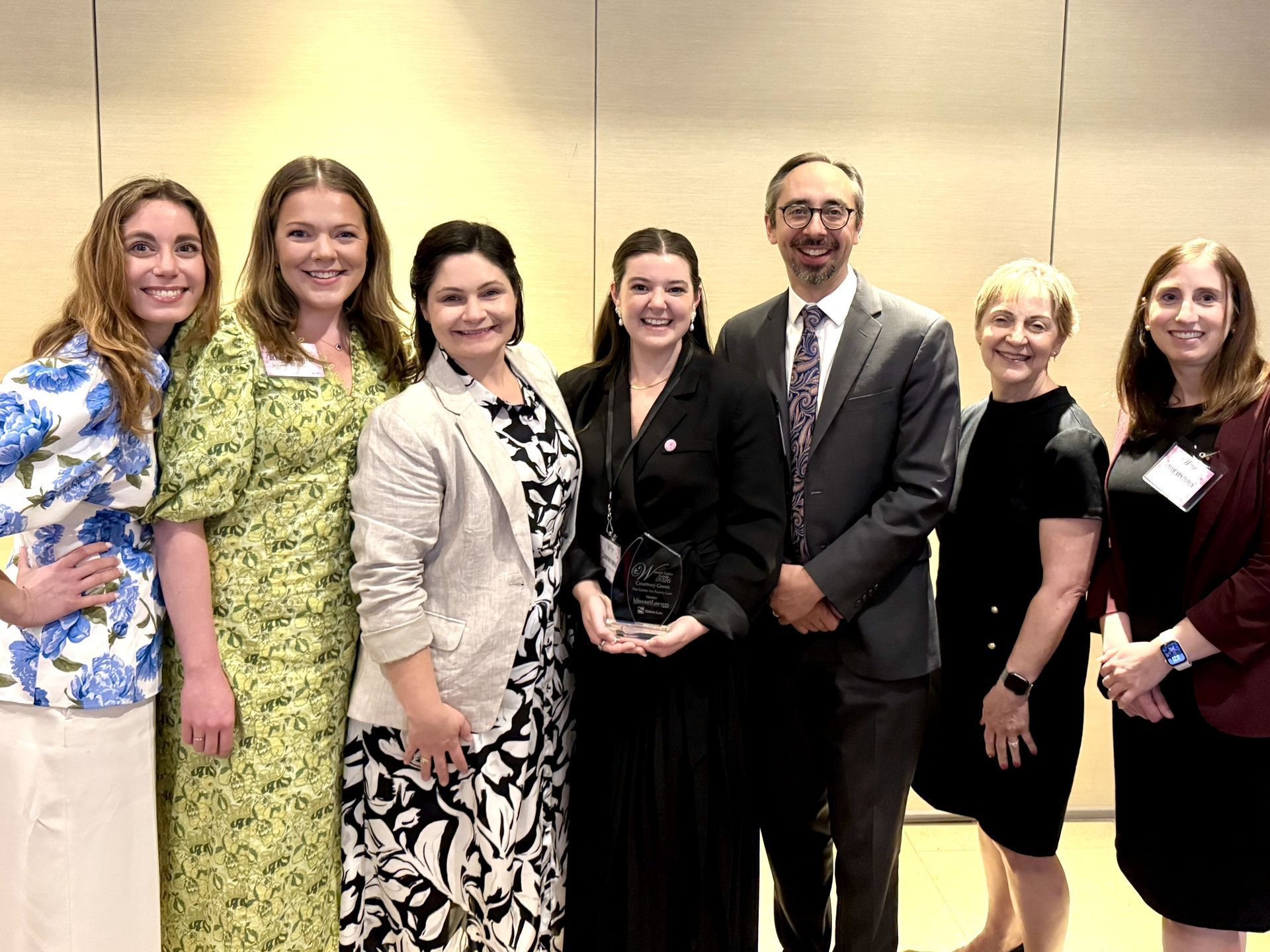
The Center for Family Law celebrates Courtney Green's recognition at the 2026 Missouri Lawyers Media Women’s Justice Awards in the Mentor category, recognizing her outstanding contributions to the legal profession and her commitment to the development of attorneys starting their careers. The 28th annual Women’s Justice Awards on April 16, 2026 celebrated women across Missouri who exemplify leadership, integrity, service, and excellence in advancing the quality of justice. Honorees are selected from diverse sectors of the legal community, including private practice, the judiciary, public service, academia, and nonprofit leadership. The Mentor Award is presented to experienced legal professionals who have played a meaningful role in shaping the careers of emerging attorneys. Throughout Courtney's career, which she has spent with The Center for Family Law, she has demonstrated a deep dedication to mentorship, offering guidance, encouragement, and opportunities to those entering the profession, both in and out of the firm. Courtney has been devoted to fostering professional growth and helping cultivate the confidence and skills of future leaders in the law. Please join us in congratulating Courtney on this well-deserved recognition. We are honored to have her as part of our firm and grateful for the example she sets within our profession and community.